
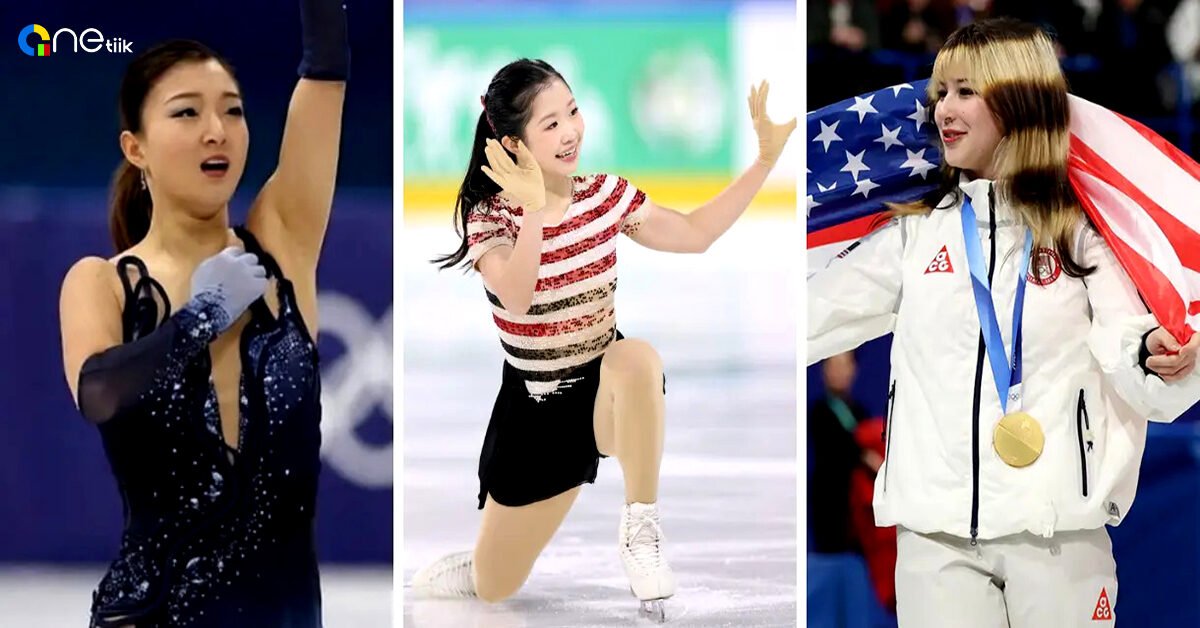

MILAN, Italy– The women’s singles free skate at the 2026 Winter Olympics was everything fans hoped for: emotional, unpredictable, and filled with breathtaking performances. Under the bright lights in Milan, the world’s best figure skaters stepped onto the ice knowing that four minutes could define a lifetime of work.
After a tightly contested short program, the free skate became the ultimate test — not just of jumps and spins, but of nerve, artistry, and heart.
A Nail-Biting Start After the Short Program
Heading into the final, Japan held a slim advantage. Three-time world champion Kaori Sakamoto and rising star Ami Nakai had delivered confident short programs that put them at the top of the leaderboard.
Close behind them was American standout Alysa Liu, sitting in medal position after a season-best performance. Liu’s short program featured one of the most difficult combinations of the event — a triple Lutz–triple loop — and it earned her roaring applause from the crowd.
The gap between the top three was razor-thin. In Olympic figure skating, that means anything can happen.
Alysa Liu’s Olympic Moment
For Alysa Liu, the 2026 Games represented more than just another competition. She arrived in Milan as the reigning world champion and the face of a new generation in U.S. figure skating. Once considered a child prodigy, Liu has grown into a mature competitor known not only for technical strength but for emotional depth on the ice.
In the free skate — the longer program where skaters attempt their most difficult elements — Liu skated with visible focus and composure. The free skate allows athletes to pack in multiple triple jumps, intricate footwork sequences, and spins that must combine speed, flexibility, and control. Judges evaluate both technical execution and artistic presentation, making it a true all-around challenge.
Liu’s performance blended power and elegance. Each landing was crucial. Each spin had to be centered. And every transition mattered. The pressure was immense, but she embraced it — showing the kind of confidence that comes from years of international experience.
Japan’s Golden Ambition
Japan entered the free skate with a real shot at history. With Sakamoto, Nakai, and teammate Mone Chiba all in strong positions, the possibility of sweeping the podium — gold, silver,r and bronze — was within reach. No country has ever completed such a sweep in Olympic women’s singles skating.
Sakamoto, already one of the sport’s most respected names, brought experience and steadiness to the ice. Her skating style is powerful yet graceful, marked by speed across the rink and clean jump technique. Nakai, younger but fearless, carried the excitement of a new Olympic star ready to make her mark.
As each Japanese skater finished her routine, the arena buzzed with anticipation. Could history be made?
The Quad Factor
Adding another layer of drama was Adeliia Petrosian, competing under neutral status. Petrosian included quadruple jumps in her free skate layout — a rare and extremely difficult element in women’s figure skating.
A successfully landed quad can dramatically increase a skater’s score. But it also carries a high risk. One small mistake can undo an otherwise strong performance. That risk-versus-reward balance kept fans on edge.
Team USA’s Emotional Rollercoaster
The American team experienced both joy and heartbreak. While Liu fought for the podium, teammate Amber Glenn faced a difficult climb after a costly mistake in the short program. A jump error left her well outside medal contention, showing how unforgiving Olympic scoring can be.
Still, Glenn returned to the ice determined to skate with pride. The Olympics are about more than medals — they are about resilience. Liu’s visible support for her teammate reminded viewers that behind the competition are real athletes supporting one another through triumph and disappointment.
What Makes the Free Skate So Important?
In women’s singles figure skating at the 2026 Winter Olympics, the total score combines the short program and the free skate. But the free skate often determines the final order because it carries more technical weight.
Skaters must carefully balance difficulty and execution. Too conservative, and they risk falling behind. Too ambitious, and mistakes can cost precious points.
Every second matters. Every landing counts.
A Night to Remember
As the final scores were revealed, emotions ran high — tears of joy, relief, and pride. Whether it was a long-awaited Olympic medal or a personal best performance, the free skate once again proved why women’s figure skating remains one of the most captivating events of the Winter Games.
For Alysa Liu, 2026 may be remembered as the moment she fully stepped into Olympic greatness. For Japan, it was a demonstration of depth and dominance. For fans around the world, it was a reminder of why this sport continues to inspire.
Grace under pressure. Courage in mid-air. And the relentless pursuit of perfection.
The women’s singles free skate in Milan delivered all of it and more.