

Is Tint Legal in Florida?
Yes, tint is legal in Florida if it meets the limits for each window and vehicle type. Florida tint laws allow only a transparent strip above the windshield’s AS‑1 line. Front side windows must measure at least 28% VLT and not exceed 25% reflectivity. Behind the driver, passenger cars must be at or above 15% VLT, while MPVs may go as dark as 6% VLT; both are capped at 35% reflectivity. If the rear window is nontransparent, you must have two outside mirrors.
Installers must place a compliance label on the inside left door jamb, and enforcement uses a small tolerance when testing. Medical exemptions can authorize a darker tint, including additional windshield coverage, if approved. Keep any exemption certificate and decal in the vehicle.
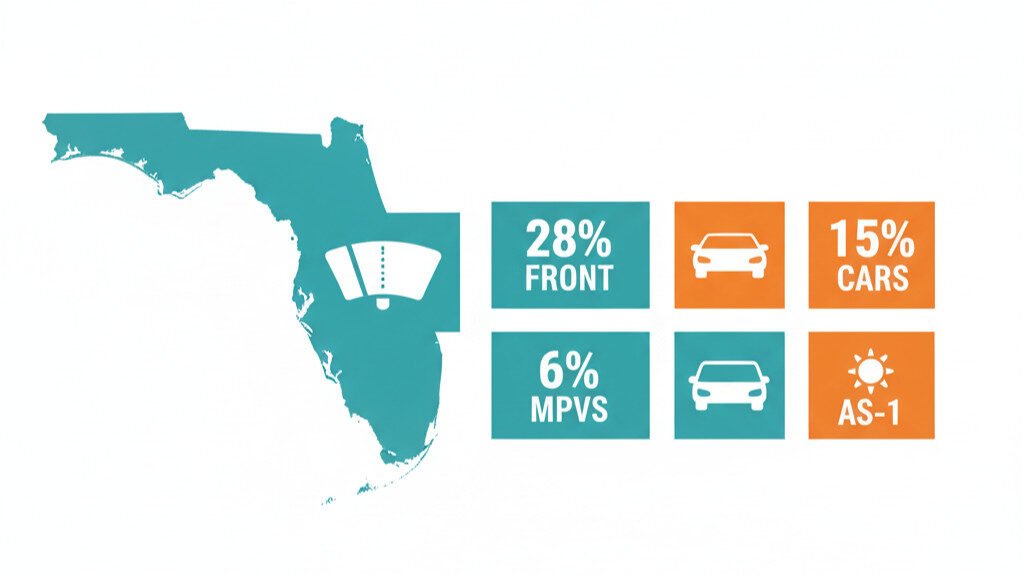
For best results, always meter the tint on‑glass (not just the film rating) because factory glass plus film can change the final reading. Staying a few points above the minimums helps you avoid borderline results during roadside tests. This section uses the primary keyword “Florida tint laws” naturally and directly answers whether tint is legal in Florida.



Legal Tint Percentages by Window
In Florida, the front windshield may only have a transparent sun strip above the AS‑1 line, with no film allowed below AS‑1 unless you hold a medical exemption. For both passenger cars and multipurpose vehicles (MPVs), the driver and passenger front side windows must measure at least 28% visible light transmission (VLT) and may not exceed 25% visible light reflectance (VLR). Behind the driver, limits depend on vehicle type: passenger cars must be at or above 15% VLT, while MPVs such as SUVs, vans, and trucks may be at or above 6% VLT; both areas share a 35% reflectivity cap.
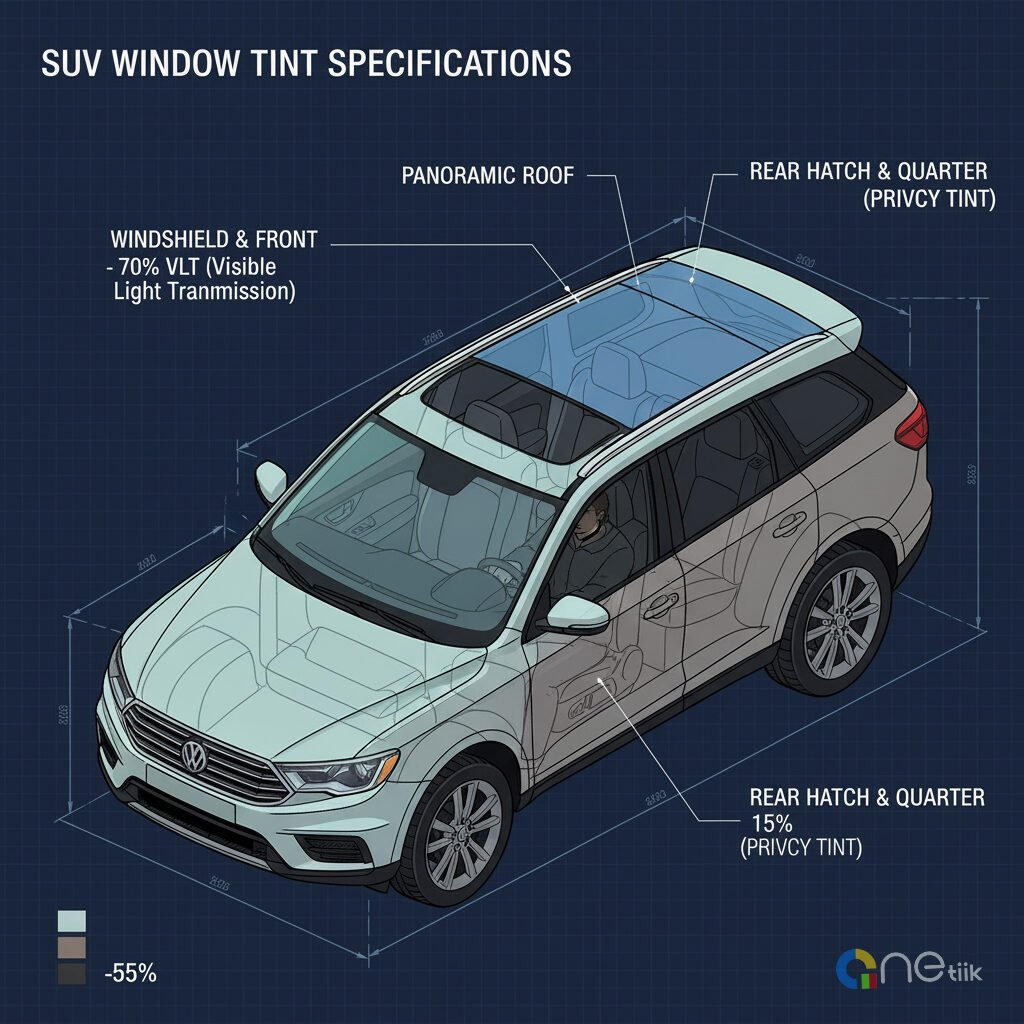
If the rear window is made nontransparent by film, your vehicle must have left and right exterior mirrors to maintain rearward visibility. Florida enforces these rules using on‑glass meter readings, not film box ratings, and applies an enforcement tolerance of about ±3%.
Installers are required to place a compliance label on the inside left door jamb listing the film and business name. Violations are non-moving civil infractions for drivers, while selling or installing unlawful film can carry criminal penalties, so aim to stay a few VLT points above the minimum to avoid borderline results.
Florida legal window tint percentages (VLT) and reflectivity by window
| Window/Area | Passenger Cars (Sedan/Coupe/Hatch) | MPVs (SUV/Van/Truck) | Notes |
|---|---|---|---|
| Front windshield | Transparent sun strip above AS‑1 only | Same as cars | No tint below AS‑1 without a medical exemption |
| Driver front side | ≥28% VLT, ≤25% reflectivity | ≥28% VLT, ≤25% reflectivity | No color‑altering film on the forward sides |
| Passenger front side | ≥28% VLT, ≤25% reflectivity | ≥28% VLT, ≤25% reflectivity | On‑glass measurement controls |
| Rear side windows | ≥15% VLT, ≤35% reflectivity | ≥6% VLT, ≤35% reflectivity | Mirrors if the rear window is non-transparent |
| Rear windshield | ≥15% VLT, ≤35% reflectivity | ≥6% VLT, ≤35% reflectivity | Exemption can permit a darker tint, including windshield coverage |
| Exceptions | Medical exemption certificate and decal | Same | Exemption can permit a darker tint, including windshield coverage |
Caption: Quick reference for Florida window tint law and legal window tint in Florida by window and vehicle type.
Florida Window Tint Law Explained
Legal definitions (VLT, reflectivity, manufactured vs aftermarket)
- VLT (Visible Light Transmission): The percentage of visible light that passes through your glass and film together. Higher VLT means lighter tint.
- VLR (Visible Light Reflectance): The percentage of visible light reflected from the glass surface. High VLR creates a mirror‑like look; Florida caps it.
- Manufactured vs aftermarket: Manufactured is the factory glass; aftermarket is film applied later. Florida measures the combined result on the actual vehicle glass.
Relevant statute summaries
- Windshields: Only a transparent strip above the AS‑1 line is allowed. Tint below AS‑1 in the driver’s forward viewing area is prohibited unless you have a medical exemption. Certain devices (like toll/GPS mounts) are permitted, but do not change the tint rule.
- Front side windows (forward of the driver): Must be at least 28% VLT and no more than 25% reflective. Films that alter color on the forward sides are not allowed.
- Windows behind the driver (rear sides and rear window): Passenger cars must be at least 15% VLT; MPVs can be at least 6% VLT. Both have a 35% maximum reflectivity cap. If the rear window is nontransparent, the vehicle must have dual outside mirrors for rearward visibility.
- Labels and enforcement tolerance: Installers must place a compliance label on the inside left door jamb. Officers apply about a ±3% tolerance to meter readings during enforcement.
- Enforcement and penalties: Operating a vehicle with unlawful tint is a non-moving civil infraction (no points). Selling or installing unlawful film can be a second‑degree misdemeanor.
- Fines: A base civil penalty applies statewide; counties add local costs and surcharges, so totals vary.
How darkness is measured (device/visual)
Officers use approved meters that fit over the window to measure on‑glass VLT and, when needed, reflectivity. Because the final number is glass‑plus‑film, the film’s box rating alone is not enough. The officer may also check for the required door‑jamb label and for the presence of dual mirrors if the rear window is nontransparent. The reading is evaluated with a small tolerance recognized in enforcement.
What Percent Tint Is Legal in Florida? (by window)
Front windshield rules & exceptions (AS‑1 line)
The windshield rule is strict: only a transparent strip above AS‑1 is allowed. No film below AS‑1 without a medical exemption. Reflective windshield films are not permitted. If you need more sun control without an exemption, keep the strip fully above AS‑1 and choose a very light, transparent product.
Front side windows
The driver and passenger front side windows must measure at least 28% VLT and may not exceed 25% reflectivity. Films that change the glass color on these forward windows are not allowed. These front limits are the same for all vehicle types. Because factory glass can reduce final VLT, ask your installer to meter on‑glass after installation.
Rear side windows & rear windshield
Behind the driver, the limits differ by vehicle category: passenger cars must be at or above 15% VLT, and MPVs may be at or above 6% VLT. Both have a 35% reflectivity cap. If the rear window is made nontransparent, you need two exterior mirrors. This setup allows privacy in MPVs while keeping rear visibility through mirrors if the back glass is very dark.
Medical exemptions
Florida offers medical exemptions for conditions that require reduced light exposure. You must submit the state application with a qualifying practitioner’s certification. If approved, you receive a certificate and a decal tied to the vehicle. Keep both in the vehicle for verification. Exemptions can authorize darker film, including windshield coverage.
What percent tint is legal in Florida by window (with examples)
| Window/Area | Passenger Cars (Sedan/Coupe/Hatch) | MPVs (SUV/Van/Truck) | Notes |
|---|---|---|---|
| Front windshield | Transparent sun strip above AS‑1 only | Transparent sun strip above AS‑1 only | No film below AS‑1 unless medically exempt |
| Driver front side | ≥28% VLT, ≤25% reflectivity | ≥28% VLT, ≤25% reflectivity | No color‑altering film on the forward sides |
| Passenger front side | ≥28% VLT, ≤25% reflectivity | ≥28% VLT, ≤25% reflectivity | On‑glass measurement controls legality |
| Rear side windows | ≥15% VLT, ≤35% reflectivity | ≥6% VLT, ≤35% reflectivity | Dual exterior mirrors if the rear is non-transparent |
| Rear windshield | ≥15% VLT, ≤35% reflectivity | ≥6% VLT, ≤35% reflectivity | Dual exterior mirrors if the rear is non-transparent |
| Labels & testing | Compliance label required on inside left door jamb; ±3% tolerance | Compliance label required on inside left door jamb; ±3% tolerance | Applies to VLT/VLR measurements |
| Enforcement | Driver violation = nonmoving civil infraction | Same | Sellers/installers can face a misdemeanor |
| Fines | Statewide base civil penalty; county costs vary | Same | No points for illegal tint |
| Medical exemptions | Certificate and decal may permit a darker tint | Same | Keep the certificate and decal in the vehicle (HSMV / TL) |
How Law Enforcement Tests Tint & What to Expect During a Stop
Photometer devices & procedure
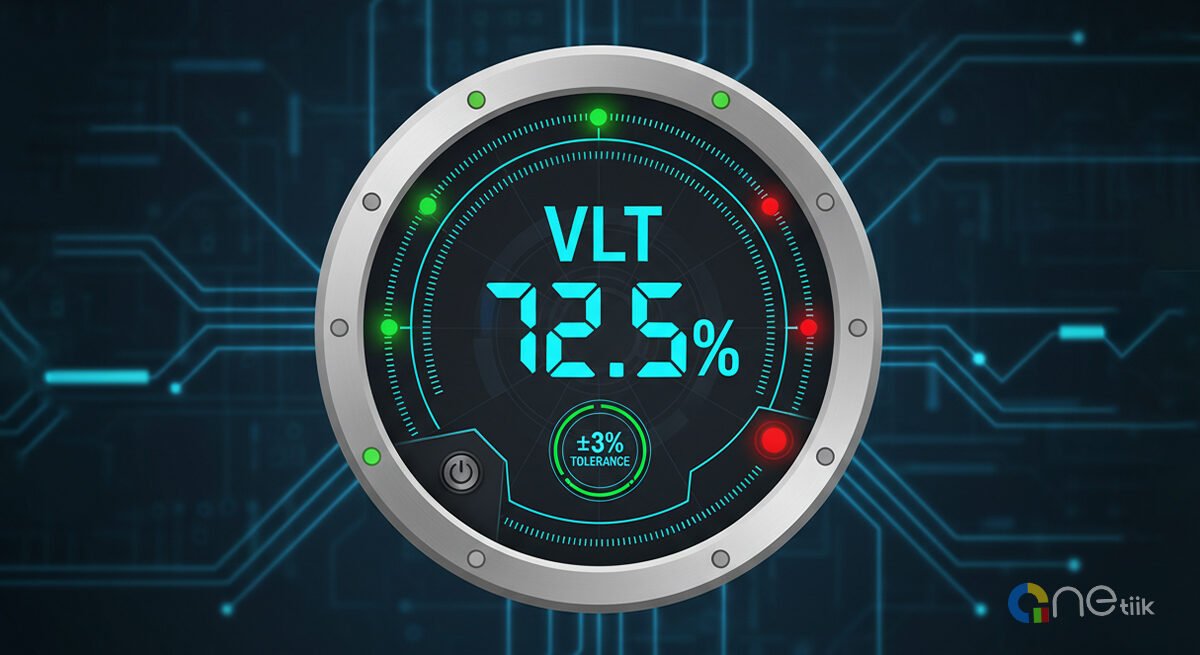
Expect the officer to place a calibrated meter on your window to get a VLT reading and, if needed, a reflectivity reading. The officer will measure on the non‑film side of the glass. Readings are compared to legal thresholds with a small tolerance considered. The officer may also note the presence and details of your compliance label.
Visual inspection tips
A mirror‑like look on front windows or very dark rear glass can trigger a stop, but the ticket is based on meter readings. If the rear window looks nontransparent, the officer may verify you have two outside mirrors. Having your installation labeled and your receipt with measured readings helps resolve questions quickly.
What to do if pulled over
Stay calm, keep your hands visible, and provide documents. If you have a medical exemption, inform the officer and present your certificate and decal. Ask for the meter readings noted on the ticket. If you plan to correct the issue, schedule removal or replacement, and keep proof.
Penalties, Fines & Ticket Process for Illegal Tint
Typical fines
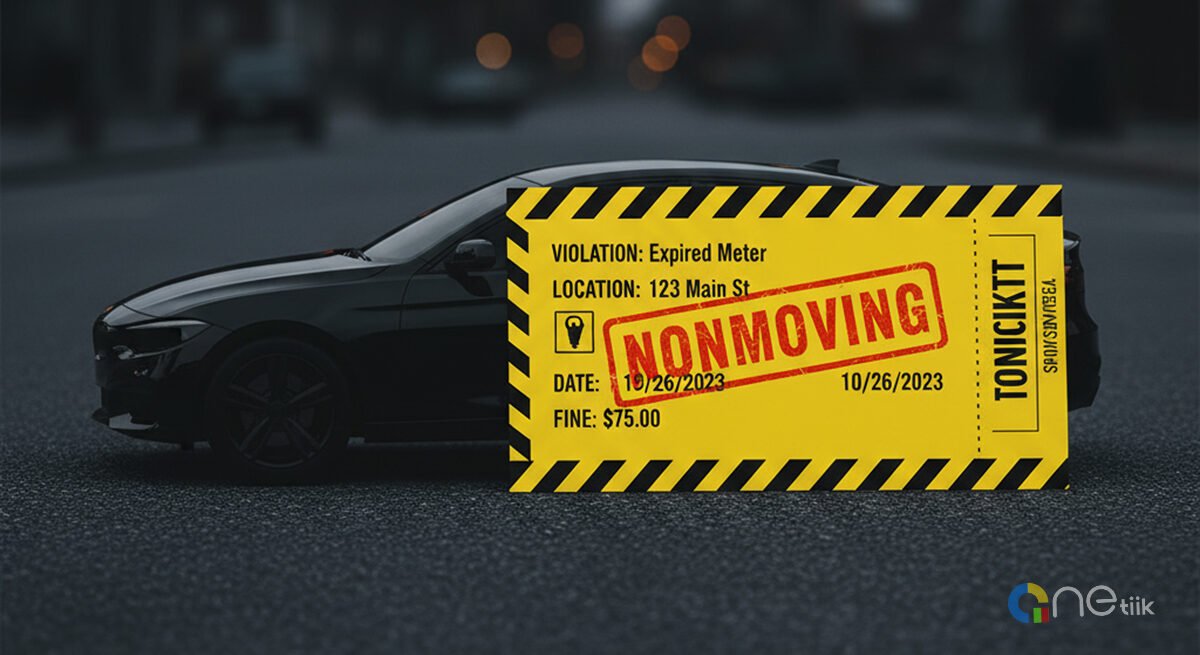
Illegal tint is a nonmoving civil infraction with a statewide base penalty; counties add surcharges and court costs, so totals differ between jurisdictions. Budget for over the base to account for local fees.
Points & inspection remedies
No points are assessed for illegal tint. Many courts allow proof of correction or may dismiss/reduce after you bring the vehicle into compliance, but practices vary by county. Keep paperwork showing corrected on‑glass readings.
Appeal process and evidence to collect
If you contest the ticket, bring photos of the door‑jamb label, your installer invoice with on‑glass readings, current meter results, and any medical exemption certificate and decal. If the rear window is very dark, bring proof that both exterior mirrors work. These materials help demonstrate compliance or good‑faith correction.
Can You Tint Your Windshield in Florida? (Front Windshield Rules)
Without an exemption, only a transparent strip above the AS‑1 line is allowed on the windshield. Do not apply film below AS‑1. The law does not specify a number for the strip’s VLT, but it must be transparent. Reflective windshield films are not permitted. If sunlight is a concern, choose a very light, non‑reflective strip that is fully above AS‑1. If you qualify for a medical exemption, follow the application steps and keep the certificate and decal in the vehicle. For replacements, remind glass shops not to install any tint below AS‑1 unless your exemption specifically authorizes it.
Medical Exemptions & How to Apply
Florida allows medical exemptions when a condition requires limited light exposure. To apply, complete the state’s medical exemption form and have it signed by a qualifying practitioner. Submit it to the Department of Highway Safety and Motor Vehicles. If approved, you’ll receive a certificate and a decal tied to your specific vehicle. Keep both in the vehicle at all times. Make sure your installer understands your exemption’s scope; apply film exactly as allowed. If you sell the vehicle, the certificate does not transfer, so the new owner must comply with standard limits or seek their own exemption if eligible.
How to Choose a Legal Tint Film & Installer
Choosing VLT, warranty & certifications
Aim for on‑glass readings that safely meet or exceed legal minimums: 28% front sides, 15% rear for cars, 6% rear for MPVs. Confirm reflectivity stays under 25% front and 35% rear. Ask for a written warranty.
Installation checklist
- Request on‑glass meter readings after installation.
- Confirm the door‑jamb compliance label is applied.
- Verify dual mirrors if your rear window is nontransparent.
What to get on the receipt
Ensure the invoice lists film brand/shade, on‑glass VLT/VLR by window, installer business name that matches the label, and a statement that limits were met at delivery.
How to Test Your Tint at Home & At a Shop
Use an automotive VLT meter for quick checks. Because enforcement is on‑glass and includes a small tolerance, verify borderline results at a professional shop. Phone apps only estimate and should not be used for legal decisions. If you are below 28% on front sides or below 15%/6% behind the driver (by vehicle type), schedule removal or replacement and keep new readings plus an updated invoice.
Removing or Replacing Illegal Tint
Warm the film with a steamer or heat gun, lift a corner gently, peel slowly, and use a safe adhesive remover. Take special care around rear defroster lines. Professional removal is recommended for the rear glass to avoid damage. After reinstalling the legal film, meter each window, confirm mirrors, and keep the updated invoice and label details.
County/City Variations & Enforcement Trends
The legal limits are statewide, but total fines and correction options can vary due to local surcharges and court practices. Some counties issue higher totals and may offer proof‑of‑correction paths for first offenses. Before a road trip or after an install, consider contacting your local clerk or law enforcement office to understand expected totals and procedures. Always keep your installer invoice, on‑glass readings, and, if applicable, your medical exemption certificate and decal in the vehicle.
Appendix: Glossary & Measurement
Glossary
- VLT: Visible Light Transmission—the percent of visible light passing through glass + film; higher = lighter.
- VLR: Visible Light Reflectance—the percent of visible light reflected; high values look mirror‑like.
- AS‑1 line: Upper windshield boundary for a transparent strip.
- Nonmoving infraction: Civil ticket with no points.
Measurement tolerance table
| Parameter | Tolerance | Where applied |
|---|---|---|
| VLT | ±3% on‑glass | All windows during enforcement |
| VLR | ±3% on‑glass | Front and rear windows |
| Label | Required | Inside left door jamb |
FAQs
What percent tint is legal in Florida on the front windows?
Front side windows must measure at least 28% visible light transmission (VLT) and may not exceed 25% reflectivity.
Is 5% tint legal in Florida?
No. It is below the legal minimums behind the driver (cars 15%, MPVs 6%) and never legal on front sides (28% minimum).
Is a 15% tint legal in Florida?
Yes, behind the driver on cars and MPVs; not legal on front sides, which must be at least 28%.
Is a 20% tint legal in Florida?
Yes on rear sides/rear windows for both vehicle types; not on front sides.
Is a 35% tint legal in Florida?
Yes on side and rear windows when reflectivity caps and labeling are met; windshield still AS‑1 strip only.
What is the darkest tint allowed in Florida behind the driver?
Passenger cars may go as dark as 15% VLT, while MPVs (SUVs, vans, trucks) may go as dark as 6% VLT; both have a 35% reflectivity cap.
Can you tint your windshield in Florida?
Only a transparent strip above the AS‑1 line is allowed without a medical exemption; no tint is allowed below AS‑1.
Do I need a tint sticker or label in Florida?
Yes. Installers must place a compliance label on the inside left door jamb listing the film trade name and the installer/seller.
Are mirrored or colored tints legal?
No. Front side windows cannot exceed 25% reflectivity, and rear windows cannot exceed 35%, and color‑altering films on the front sides are not allowed.
How dark can the tint be in Florida overall?
Front sides must be 28% or lighter; rears are 15% (cars) or 6% (MPVs) or lighter; the windshield is an AS‑1 strip only.
Do tint tickets add points to my license?
No. Illegal tint is a non-moving civil infraction and carries a civil fine without points.
How much is a tint ticket in Florida?
A statewide base penalty applies, and counties add local costs and surcharges, so totals vary by location.
Do I need two mirrors if my rear window is very dark?
Yes. If the rear window is nontransparent, you must have left and right exterior mirrors.
How does law enforcement test window tint?
Officers use on‑glass meters to read VLT (and sometimes reflectivity) and apply a small measurement tolerance.
Can I get a medical exemption for a darker tint?
Yes. Florida allows medical exemptions with a state application, practitioner certification, and issuance of a certificate and decal that must be kept in the vehicle.








I am regular visitor, how are you everybody? This article posted at this web page is really nice.
Thanks